A Cheerful Soccer Snowman for Holiday Embroidery Projects
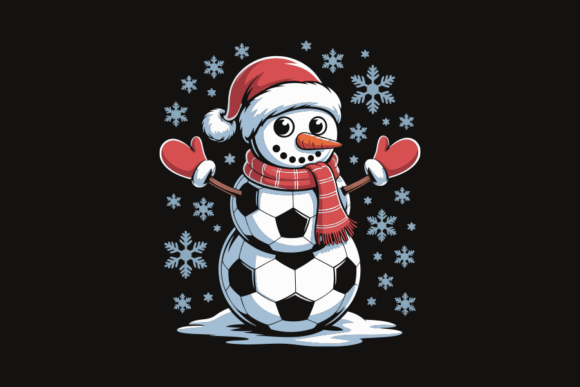
When a new embroidery design lands in my library, I don’t just look at the preview image. I think about how it will look after the needle hits the fabric, how it will feel in a customer’s hands, and what kind of story it tells on a finished product. The Soccer Snowman in Santa Hat and Scarf is one of those designs that immediately sparks a practical, creative evaluation.
The Immediate Charm and Practical Mood
My first impression of this design is one of clever, festive joy. It’s not just a winter graphic; it’s a character with personality. The snowman playing soccer, bundled in holiday gear, creates a specific mood: it’s playful, celebratory, and wonderfully niche. This blend of sports and holidays makes it perfect for personalized gifts—think for a soccer-loving kid’s Christmas present or a coach’s holiday team gift. The layout feels balanced, and the detail level in the cartoon illustration suggests it will translate well into stitches without becoming overly dense or losing its charming simplicity.
Where This Design Finds Its Perfect Home
In my mind, I immediately start placing this embroidery file onto real products. It naturally belongs on items meant for gifting or lighthearted celebration. A cozy sweatshirt for a holiday tournament, a tote bag for carrying soccer gear on a frosty day, or a festive apron for a sports-themed holiday party. For small business owners and Etsy sellers, this design is a ready-made asset for holiday merchandise. It would shine on a pillow cover in a child’s room or as a cheerful patch on a winter blanket. The theme makes it highly giftable, adding perceived value because it feels thoughtful and customized.
Performance on Real Products: A Designer’s Walkthrough
Let’s imagine a real case: preparing a custom embroidered tote bag for a holiday craft fair. Using the Soccer Snowman in Santa Hat and Scarf, I consider the execution. On a sturdy canvas tote, the design’s solid shapes should stitch out cleanly. The Santa hat and scarf details will likely rely on clean satin stitch borders or fill stitch areas for color, which is great for visual clarity. For apparel decorators, on a sweatshirt or t-shirt, the cheerful figure becomes a focal point, boosting the handmade presentation and creating strong buyer engagement—it’s unique enough to stand out in a crowded holiday market.
For baby clothes or nursery decor, scaled appropriately, it offers a sweet, sporty twist on winter themes. As a embroidered patch, it could be applied to caps or jackets, though its rounded shape is better suited for flat surfaces rather than highly curved caps, where distortion can occur. On kitchen towels or aprons, it becomes a fun, functional accent. The key is matching the product to the design’s playful, cartoonish personality—it enhances brand consistency for a boutique selling sporty holiday goods.
Points for Careful Application
While the design is charming, practical judgment requires noting where to use it carefully. On very small hoop sizes, some of the finer details, like the soccer ball pattern or scarf stripes, might need simplification or could become too dense. Stitch density is something to watch; if the file has heavy fills, it might be stiff on thin or stretchy fabrics like certain t-shirts. Always test on scrap first.
Embroidery on dark fabric requires careful thread color contrast planning—the traditional snowman white will need bright threads or perhaps a clever use of applique techniques if the design supports that. Textured fabrics can obscure the clean lines of a cartoon illustration. And for products destined for frequent washing, like baby clothes, ensuring the stitch structure is secure and using proper stabilizer is non-negotiable for longevity and customer trust.
Impact on Your Business and Craft
From a commercial perspective, the Soccer Snowman in Santa Hat and Scarf affects more than just aesthetics. For creative entrepreneurs and digital product sellers, it’s a versatile design asset. Its clear, friendly illustration works well in printable mockups for your Etsy listings, helping customers visualize the final product. This builds professionalism and can directly increase buyer engagement.
When used in custom apparel or as holiday embroidery for small shop merchandise, it adds a layer of recognition—it’s memorable. That memorability translates into better giftability and can become a signature item for a season. For craft fair products, its unique theme helps your booth stand out. However, always confirm licensing before selling finished items or digital products based on the file. Understanding whether it’s cleared for commercial embroidery projects is a fundamental step.
Essential Pre-Stitch Notes
Before loading this design for a client project, my routine applies. Test the design on scrap fabric identical to the final product. This reveals how the fabric texture interacts with the stitches. Check those small details in the Santa hat and scarf—are they clear and distinct? Run a black and white mockup to assess form without color, and compare how it looks on both light and dark backgrounds in your software. This informs thread choices.
Consider the end use. Is it for a one-off personalized gift, or for batch production in your craft business? Each demands different quality checks. If the design includes elements that might use running stitch for outlines, ensure your machine settings will render them smoothly. Your preparation directly influences stitching clarity, product value, and ultimately, your reputation as a maker.
A Design Ready for Festive Stitching
Ultimately, the Soccer Snowman in Santa Hat and Scarf stands out as a well-conceived illustration for the embroidery world. It brings a specific, joyful narrative that fits perfectly into the holiday and sports niche. Its practical application is broad, but success hinges on mindful execution—choosing the right product, fabric, and technique. For embroidery designers, small business owners, and hobbyists looking for a design that offers both charm and commercial potential, this graphic warrants a close look. Just remember the golden rule: always stitch a sample first. That practical step turns a promising digital file into a truly excellent finished product.