My Designer Review of the Football Stadium Embroidery Design
I’m a designer who judges embroidery files by how they perform on a hoop and on a product. So when I look at the Football Stadium design, I’m thinking about thread, fabric, and the final piece in a customer’s hands. This isn’t just a graphic; it’s a potential project. Let’s walk through what that really means.
First Impression: A Dynamic, Modern Sports Vibe
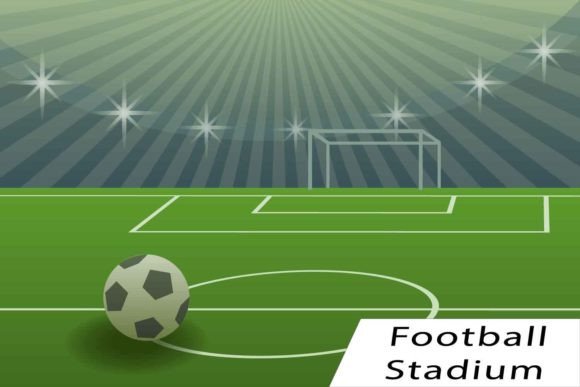
This design immediately feels energetic and contemporary. The perspective illustration with its 3D rendering of the field, ball, gates, and spotlights creates a sense of depth and action. It’s not a flat icon; it’s a scene. This gives it a strong visual personality that leans more toward a modern, fan-centric mood rather than a simple team logo. For embroidery, that’s interesting. It promises more dimension in the stitching, which can really elevate a handmade product.
The layout is naturally balanced—the ball is a clear focal point, anchored by the stadium structure. This kind of composition translates well to embroidery because it gives the stitch lines a clear path to follow, creating a cohesive final image even on textured fabrics like sweatshirt fleece or a canvas tote bag.
The Natural Project Fit: Where This Design Belongs
I picture this design on items for the sports enthusiast, the proud parent, or the gift-giver looking for something personalized and unique. It naturally belongs on custom apparel like hoodies or t-shirts for a fan, but its illustrative style also lends itself beautifully to decorative pieces.
Imagine a custom embroidered pillow cover for a teenager’s room, or a neat tote bag for a soccer coach. It could be a standout feature on a baby blanket for a little future striker, making it a thoughtful gift. As an embroidered patch, it would be incredibly versatile—easily applied to a cap, backpack, or apron for a boutique selling sports-themed kitchen goods. For small business owners and Etsy sellers, this design has clear commercial appeal for holiday gifts, personalized products, or small shop merchandise aimed at a sports-loving audience.
Thinking Through the Stitch: Practical Embroidery Performance
When I consider using this in real-life embroidery situations, a few key points come to mind. The design’s included file formats—JPG, PNG, SVG, AI, EPS—are a strong advantage. This flexibility means it’s not just a machine embroidery file; it can be used for digital product previews, printable mockups for your online listings, or even adapted for other craft purposes, adding value for digital product sellers and creative entrepreneurs.
However, the detail level is crucial. The perspective rendering and spotlights imply areas of potential density. On a machine embroidery design, this means paying close attention to stitch density, especially in the field area and the gate structure. On a curved surface like a cap, or on thin fabric, those dense areas could pose a challenge without proper stabilizer. This isn’t a design I’d run on a small hoop size without testing first; the details need space to breathe to maintain clarity.
Where to Use It Carefully
This design will shine on stable, medium-weight fabrics. For a crisp, professional look on a sweatshirt or a tote bag, it’s a great fit. But I’d be cautious on very stretchy fabric or layered garments without robust stabilization. The small details, like the soccer ball’s panels and the spotlight beams, need clean stitch definition. On dark fabric backgrounds, thread color contrast is paramount—you’ll want to test color combinations to ensure the stadium’s depth and the ball’s white sections pop effectively.
For products that need frequent washing, like kitchen towels or baby clothes, a simpler design might be more durable, but with the right thread and technique, this could still work beautifully as a special, less-washed item like a decorative pillow or a holiday gift blanket.
The Impact on Your Product and Your Customer
Using a design with this level of visual appeal directly affects your product’s perceived value. It looks intentional and designed, which builds customer trust and enhances your handmade presentation. For a craft business, it supports brand consistency if you’re targeting a sports or gift niche. Its giftability is high—it’s recognizable yet personal, not a generic stock image.
When a buyer sees this embroidered on a product, the professionalism of the design engages them. It tells them you invested in a quality digital embroidery file, which translates to a quality finished product. For an apparel decorator or a boutique, this can be the difference between a standard item and a standout piece that commands attention at a craft fair or in an Etsy listing.
Essential Designer Notes Before You Hoop It
My final, practical advice is always to test. Never skip these steps.
- Run this design on scrap fabric first. Use the same fabric and stabilizer you plan for the final project.
- Check thread color contrast thoroughly. Create black and white mockups to see how the light and dark areas translate.
- Review the stitch density in your software. Are there overly dense fill stitch areas that might pucker your main fabric?
- Confirm your hoop size. The design needs adequate space for its perspective details to remain clear.
- Inspect the small details. Make sure elements like the ball and gates will stitch out cleanly without merging into a blur.
- Finally, always confirm the licensing terms of the design file before selling finished items or commercial embroidery projects. The product description states it’s for Illustrations and Graphics, but you must verify the specific license for your intended commercial use.
The Football Stadium design is a compelling asset. With thoughtful application and thorough testing, it can become a fantastic feature on a range of embroidered products, from custom apparel to personalized gifts, adding that professional, designed touch that makers and their customers truly appreciate.