A Muslim Man in Prayer: Evaluating Its Embroidery Potential
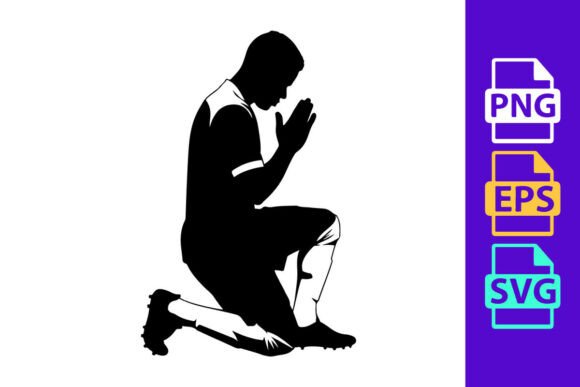
Let’s talk about this design from a purely practical embroidery standpoint. When you download a file like A Muslim Man in Prayer Kneeling in a Ser, you’re not just getting a graphic; you’re acquiring a potential cornerstone for a project. The first impression here is one of profound serenity and respect. The kneeling posture and the theme speak to a moment of quiet devotion, which translates visually into a composition that is balanced and inherently dignified.
The Mood It Carries Into Fabric
This isn’t a loud, energetic design. It carries a weight of calm and spirituality. For embroidery, that mood becomes a product’s personality. Imagine this stitched onto a simple, high-quality cotton pillow cover for a nursery or a guest room. It wouldn’t shout; it would offer a sense of peace. On a personalized gift like a tea towel or a blanket for a wedding or religious holiday, it communicates thoughtfulness far beyond generic patterns. The layout, with its focused central figure, means it won’t fight with other elements—it’s a statement piece that works best alone, given the space and fabric to command that respectful attention.
Where This Design Finds Its True Home
In real-life embroidery, I see this design excelling on items where the theme and presentation align. A custom embroidered patch, made with careful satin stitches for the figure and a clean running stitch outline, could be stunning on a simple tote bag for a small shop specializing in mindful goods. For baby embroidery, consider it on a blanket’s corner or a delicate wall hanging—the softness of the fabric would complement the design’s gentle nature. As a holiday embroidery gift, stitched onto the breast of a premium sweatshirt or the front of an apron, it becomes a wearable symbol of faith and reflection.
It’s also a strong candidate for commercial embroidery projects where brand consistency is about values. A small business selling handmade, culturally appreciative products could use this on their staff aprons or shop tea towels as part of their visual identity. For Etsy sellers and digital product sellers, a well-executed stitch-out of this design in a printable mockup for a cap or pillow instantly elevates the listing, showing customers a finished product that feels professional and intentional.
Careful Application: Where to Be Mindful
Not every fabric or project will serve this design well. The detail level here—particularly in the rendering of the kneeling form—requires a stable ground. On highly textured fabrics like some linens or on stretchy fabric like jersey without proper stabilizer, those clean lines could lose their clarity. Small hoop sizes might force too much compression, making the figure feel cramped; it deserves a medium to larger area to breathe.
Working on dark fabric requires thoughtful thread color contrast—a lighter, perhaps off-white or silver thread palette might be needed to maintain the design’s visual impact versus a stark white. On curved surfaces like caps, the central, upright portion should be placed carefully to avoid distortion. There’s no tiny lettering here, which is a relief, but the silhouette’s integrity depends on clean stitch transitions. For products destined for frequent washing, like apparel or kitchen towels, a robust stitch density and proper stabilizer use are non-negotiable to preserve that handmade presentation over time.
How This Embroidery File Affects Your Product’s Soul
Choosing this design isn’t just a technical decision; it’s a value decision. When stitched well, it elevates the product value. It moves a simple tote bag from a generic carrier to a meaningful accessory. It transforms a baby’s blanket into a cherished heirloom. For customer trust and buyer engagement, it signals that you, as the maker, understand the depth of the theme. It shows professionalism in execution and respect in selection.
For giftability and recognition, it’s unmistakable. A client receiving a custom embroidered pillow with this design knows it was chosen with care. In a craft fair setting, amongst more whimsical items, a product featuring this embroidery stands out for its solemn beauty and can attract a specific, appreciative audience. It strengthens brand consistency for shops focused on cultural, spiritual, or serene product lines.
A Designer’s Practical Notes Before You Hoop
Always, always test the design on scrap fabric first. Use the same material and stabilizer you plan for the final project. This isn’t just about checking machine compatibility; it’s about seeing how the mood translates into thread. Does the silhouette feel solid? Do the lines stay crisp?
- Review the stitch density in your software—a very dense fill might be tough on delicate fabrics, while too light might look sparse on a sweatshirt.
- Check thread color contrast not just on screen, but with actual thread spools against your final fabric, both light and dark backgrounds.
- Confirm the physical hoop size needed for your desired product placement. A tote bag front might allow a larger hoop, while a cap front requires a smaller, strategic placement.
- Inspect the small details in the figure’s posture in your test stitch-out. Are there any awkward corners or potential stitch bridges that need adjustment?
- Use proper stabilizer. For woven apparel like hoodies or towels, a cut-away might be best for durability. For stretchy knits, a strong tear-away or combo is key.
- Before selling finished items, confirm licensing for this digital embroidery file. Is it cleared for commercial use, or only personal? This step protects your craft business.
Ultimately, A Muslim Man in Prayer Kneeling in a Ser as an embroidery design offers a powerful thematic tool. Its success hinges on your thoughtful application—pairing it with the right project, fabric, and execution to honor the quiet dignity it inherently possesses. When you do that, the finished product speaks volumes.