From Vector to Thread: Reviewing the Sports Equipment Vector Set
When a new design lands in my inbox, I’m not just looking at pixels; I’m visualizing thread paths, fabric textures, and the final product in a customer’s hands. Today, I’m evaluating the Sports Equipment Vector Set with that exact, practical lens. As a designer who works with clients ranging from boutique apparel shops to crafters making personalized gifts, my first question is always: How will this translate from screen to stitch?
First Impression: Clean, Classic, and Versatile
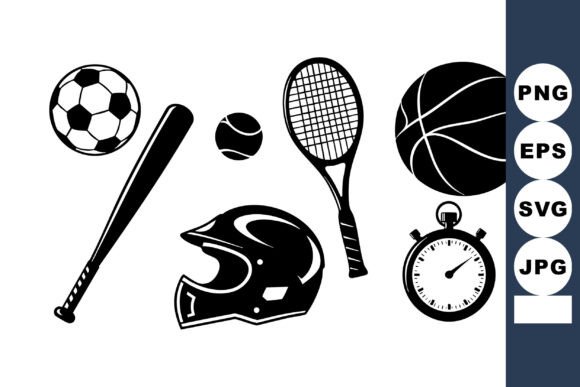
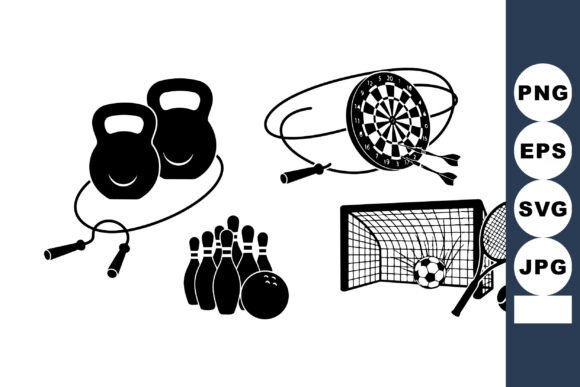
Opening this collection, the immediate mood is classic and graphic. The black and white silhouette style isn’t trendy; it’s timeless. The shapes—the kettlebell, the soccer goal, the tennis racket with ball—are crisp and iconic. This isn’t a hyper-detailed, realistic illustration; it’s a collection of strong, recognizable symbols. That visual personality tells me it belongs to projects where clarity and a clean aesthetic are paramount. Think of a well-made, embroidered tote bag for a gym enthusiast, or a minimalist patch on a cap. It feels professional and purposeful, not playful or ornate.
The Real-Life Scenario: Embroidering a Custom Sweatshirt
Let’s walk through a typical use case. Imagine a client orders a custom embroidered sweatshirt for a bowling league. They want the bowling pin silhouette from this set. I pull up the file and start my mental checklist. The design is a solid shape, meaning it will likely be translated into a dense fill stitch area. On a heavyweight sweatshirt fabric, that’s a good match—the texture can support the stitch density without puckering. But I’m already thinking about stabilizer choice; a good cut-away will be essential here to maintain that clean silhouette edge on a stretchy base fabric. The lack of internal detail is a benefit: no tiny, tricky corners that could get lost in the stitching. The final look will be a bold, solid emblem. From a customer’s perspective, that’s exactly what they’d want—immediate recognition and a feeling of quality.
Where This Design Set Shines in Your Projects
This Sports Equipment Vector Set excels in several real-life embroidery situations. Its graphic nature lends itself perfectly to custom apparel like t-shirts and sweatshirts where a bold statement works. For personalized gifts—think a dad’s favorite sport on a baby’s blanket or a set of kitchen towels for a tennis-loving friend—the simplicity is charming and giftable. For small business merchandise, such as an Etsy seller creating sport-themed patches or a boutique branding aprons for a local fitness cafe, these icons provide consistent, professional-looking design assets. They also work beautifully for digital product previews and printable mockups, thanks to their clean vector style, before you even load the embroidery file into your machine.
- Tote bags and caps: The bold silhouettes stand out well on these structured, curved surfaces.
- Embroidered patches: Ideal for standalone patches due to their self-contained, iconic shapes.
- Baby embroidery and nursery decor: The soft, safe shapes (no sharp edges) work well on blankets or bibs.
- Holiday embroidery and wedding gifts: For a sport-themed wedding or a holiday gift for a hobbyist, these designs feel thoughtfully chosen.
Careful Application: Considerations Before You Hoop
While versatile, this set requires some thoughtful application. The main consideration is stitch density. Those solid black silhouettes will become solid stitch areas. On thin fabric like a lightweight tee, or on dark fabric where you might use white thread for contrast, that density could lead to fabric distortion or a stiff feel. You’d need to test and possibly adjust the file if your software allows. In very small hoop sizes, some elements, like the details in the dartboard or the soccer goal net, might need simplification to remain clear. Also, on textured fabrics like a waffle-knit hoodie, the solid fill might not read as crisply as on a smooth cotton.
For products that need frequent washing, like a gym towel or an activewear shirt, a densely filled area can hold up well, but again, proper stabilizer and thread choice are critical to longevity. I wouldn’t recommend trying to scale these down for extremely tiny placements on something like a cuff; they are medium-scale icons by nature.
How It Impacts Your Business and Craft
From a business perspective, using a clean, well-defined set like this boosts customer trust and professionalism. The finished product looks intentional and high-quality, which enhances visual appeal and product value. For a craft business or Etsy seller, that translates to better photos, happier reviews, and stronger buyer engagement. It supports brand consistency if you create a series of sport-themed products. The handmade presentation feels polished, not amateur. As a personalized gift, it has high recognition value—the recipient instantly knows what it represents, which is the core of a successful gift.
Practical Designer Notes for a Smooth Stitch
Before you commit this design to a final project, here’s my grounded advice. Always test the design on scrap fabric first. Use the same fabric and stabilizer you plan for the final item. This is the only way to truly check thread color contrast and review stitch density. For this set, I’d test it on both light and dark backgrounds to see how the silhouette reverses.
- Confirm hoop size compatibility for your specific machine by checking the provided file details.
- Inspect small details in a mockup at your intended output size. Does the jump rope’s line look clean? Will the bowling pin’s neck stitch without breaking?
- Use a proper stabilizer. For solid fills, I often lean toward a firm cut-away, especially on stretchy or textured bases.
- Crucially, check whether the design works for both personal and commercial projects by confirming the licensing terms before selling finished items or digital products derived from it. The product description mentions it’s a downloadable ZIP, but the specific license is what governs your use.
Remember, this Sports Equipment Vector Set falls under the broader categories of Crafts and Graphics, which means its primary strength is its visual versatility. As an embroidery file, its success hinges on your translation process. It’s not an applique design by nature, so expect satin stitch borders or fill stitch interiors. The lack of color information simplifies thread choice—you’re working with high-contrast monochrome, which is a blessing for efficiency.
In summary, this set is a robust toolbox of sports icons for the maker who values clarity and impact. It won’t add whimsy or delicate detail to your work, but it will add authority and recognition. In my studio, it would be earmarked for client projects requesting a modern, graphic sport theme and for my own product line of sturdy, everyday items like market tote bags or premium caps. It’s a practical, professional asset for your digital library, ready to become a tangible, well-loved finished product.