From Vector to Stitch: Evaluating the Flag Point Italy Logo for Embroidery
When a client asks for a custom embroidered tote bag for a friend celebrating their Italian heritage, or when I’m sourcing a design for a boutique line of kitchen towels, my first step is always a deep, practical review of the digital file. Today, that file is the Flag Point Italy Logo Vector Design. It’s not just a graphic; it’s the blueprint for a physical, stitched product that someone will wear, use, or gift. Here’s how it stacks up from the perspective of an embroidery designer ready to load it into a machine and see it come to life.
A Design That Speaks Before It Stitches
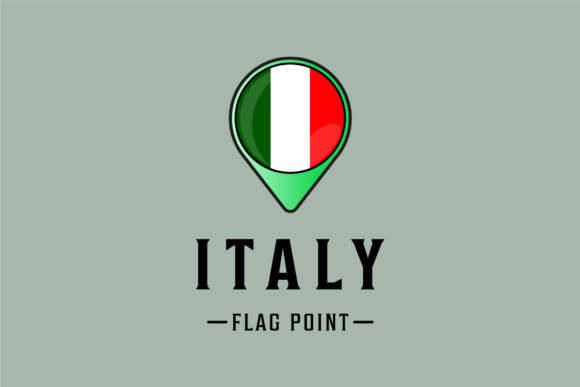
The initial impression of this logo is crisp and thematic. The layout feels balanced, with a clear focal point that conveys a sense of place and pride. For embroidery, this is crucial. A design with a strong, simple visual personality often translates better into thread than an overly complex one. The mood it creates is recognizably Italian, leaning more towards classic and clean rather than ornate or fussy. This tells me it would belong naturally on projects where the symbolism needs to be understood quickly: a cap for a travel-themed shop, a pillow cover for a cozy living room, or a simple, elegant patch for a backpack.
The detail level, as seen in the vector files, appears manageable. There are no tiny, intricate flourishes that would become a muddled mess of stitches. This is a relief. In machine embroidery, especially on smaller items like baby clothes or the curved surface of a hat, excessive detail can lead to poor stitch clarity and a weakened finished product. This design seems to avoid that pitfall, suggesting areas that would likely be rendered as clean satin stitch borders or solid fill stitch sections.
The Real-Life Embroidery Scenario: A Holiday Gift Sweatshirt
Let’s picture a real case. I’m preparing a custom embroidered sweatshirt as a holiday gift. The recipient loves Italy, and this logo is the perfect motif. I’ve opened the provided EPS file, confirmed the shapes are clean vectors, and now I’m thinking about the stitch-out.
On a medium-weight sweatshirt fabric, the design’s bold elements should hold up well. The potential for high stitch density in the main emblem areas means I’ll need a good stabilizer to prevent puckering, but the overall shape isn’t so dense that it would become stiff and uncomfortable. For a personalized gift, this is key—the embroidery should enhance the garment, not weigh it down. I’d be confident that, after stitching, the logo would look professional and giftable, increasing the perceived value of the handmade item.
This confidence extends to other small shop merchandise. Imagine this logo on a canvas tote bag for a local Italian market or embroidered onto a linen apron for a cooking-themed Etsy shop. The clean design fosters customer trust and brand consistency. It doesn’t look homemade in a shaky sense; it looks handmade with professional intent. For an Etsy seller or creative entrepreneur, that distinction directly affects buyer engagement and sales.
Where This Design Demands a Careful Approach
No design is universally perfect, and practical judgment means noting the limitations. The Flag Point Italy Logo Vector Design should be used carefully on very small hoop sizes. If you’re thinking of miniaturizing it for a delicate baby blanket corner or a tiny accent on a handkerchief, you must preview it meticulously. Any text elements, given the note about non-editable text, could become unreadable if scaled down too much. The stitch clusters for small lettering might merge into a blob.
Textured fabrics or very stretchy fabrics like thin t-shirts also require extra planning. The design’s success there hinges entirely on using the correct stabilizer and possibly adjusting the stitch density during digitization. Similarly, on dark fabric backgrounds, the thread color contrast needs to be stark and planned. A white or bright yellow fill stitch against a black sweatshirt would pop beautifully, but a low-contrast color choice would render the logo faint and lose its impact.
For products needing frequent washing, like kitchen towels or caps, the integrity of the stitches is paramount. The design’s solid areas shouldn’t be so densely packed that they create a thick, abrasive layer of thread that wears quickly. A test on scrap fabric first is non-negotiable here.
Practical Notes From the Hoop
Before I commit this design to a client’s project or my own craft business inventory, my checklist is straightforward. First, I always test the design on scrap fabric identical to the final product material. This reveals everything: how the thread colors interact with the fabric, whether the stitch density causes pull or distortion, and if any small details, like sharp corners in the vector, translate into clean stitches.
I also check it in black and white mockups, even simple printed ones, to visualize it on both light and dark backgrounds. This helps plan color palettes for different product lines. Crucially, for any commercial embroidery or selling of finished items like embroidered patches or custom apparel, I confirm the licensing terms of the original digital file. The product description states it’s a vector-based design I can change as I wish, which is excellent for adaptation, but the final responsibility to ensure it’s cleared for commercial use rests with me. This is a fundamental step for any digital product seller or apparel decorator.
The provided file formats—EPS, SVG, PDF, JPG—are a solid toolkit. The EPS is ideal for professional digitizing software, ensuring scalability without loss of quality for any embroidery project. This flexibility means I can scale this same logo for a large pillow cover and a small cap without needing multiple files, maintaining perfect consistency across a product range.
The Final Verdict for Your Next Project
In essence, the Flag Point Italy Logo Vector Design presents itself as a reliable, adaptable graphics asset for embroidery. Its strength is in its clear, thematic composition that avoids embroidery pitfalls like excessive detail. It naturally fits projects where recognition and a clean presentation are valued: boutique merchandise, personalized gifts, and branded items for small businesses.
Its performance hinges on your preparation. Use it boldly on stable fabrics and medium-to-large applications. Approach it cautiously for miniaturized projects or tricky textiles. Always do your practical homework—test, check contrast, and verify licensing. When used thoughtfully, this design can elevate a simple tote bag or sweatshirt into a cherished, professional-looking handmade product. It’s a vector file that, with care, becomes more than just a logo on a screen; it becomes the confident, stitched heart of a real, tangible item.