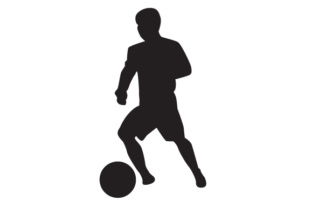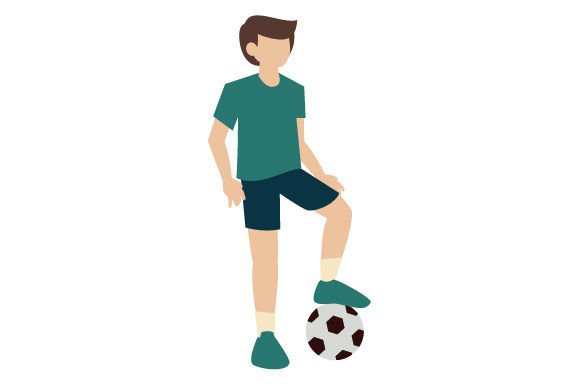
Boy Soccer Player Embroidery Design: A Designer’s Review for Real Projects
As a designer who stitches, I always look at a digital embroidery file with a practical eye. Before I even consider loading it into my machine, I’m thinking about how it will translate into thread on fabric, and what kind of product it would elevate. Today, I’m evaluating the Boy Soccer Player design from a real-use perspective.
The Immediate Visual Impression & Its Project Personality
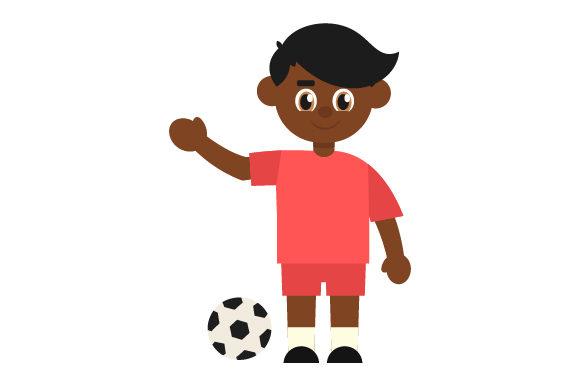
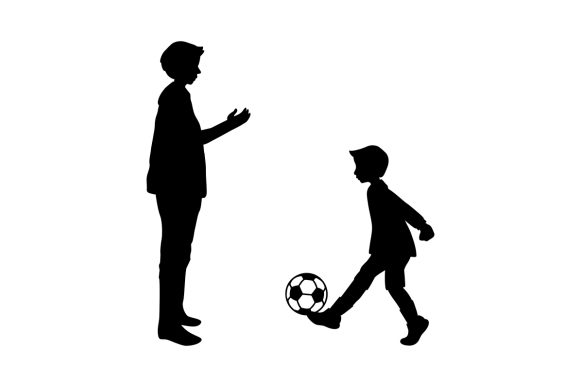
The first thing I notice with this design is its straightforward, cheerful energy. It’s not an overly complex illustration, which is a strength. The shape is clear, the theme is instantly recognizable, and the layout feels balanced. This creates a mood that is playful and sporty, perfect for a wide range of personalized gifts and small shop merchandise. Its visual personality leans toward friendly and classic, not overly trendy or aggressive. This makes it incredibly versatile.
In my mind, it naturally belongs on a child’s sweatshirt, a celebratory tote bag for a team member, or even as a embroidered patch on a backpack. Because it’s a Crafts and Sports category design, its appeal is both for the hobbyist making a gift and the Etsy seller creating a line of baby embroidery items for soccer families.
Where This Design Excels in Real-Life Embroidery
Let’s talk application. I’m picturing a real scenario: a client requests a custom embroidered pillow cover as a birthday gift for their soccer-loving son. This Boy Soccer Player design would be an excellent choice. On a mid-weight fabric like canvas or linen, the design’s clarity would shine. The likely use of satin stitch borders and fill stitch areas would create a nice, polished look that feels professional.
This translates well across many embroidery projects. On a baby clothes item, like a jersey or bib, it would be a charming, recognizable addition. Stitched onto a kitchen towel or apron for a sports-themed kitchen, it becomes a fun, conversational piece. For small business owners creating products for craft fairs, this design could anchor a whole series—think matching caps, sweatshirt embroidery, and tote bag designs. The digital embroidery file formats provided, like SVG and DXF, are crucial for scaling and adapting the design for different hoop sizes and for creating printable mockups for your product listings.
Visual Appeal and Customer Trust
When a design stitches out cleanly, it directly boosts product value and customer trust. This design’s relatively simple detail level suggests it will embroider with good stitching clarity. That clean result makes a handmade product look intentional and skillful, not amateurish. It enhances brand consistency for a decorator because you can reliably produce a nice result. For giftability, that’s key—a well-executed embroidery feels special and thoughtful. The instant recognition of the soccer player theme also creates immediate buyer engagement; people know what it is and connect with it quickly.
Considerations & Where to Use Carefully
Every design has its ideal applications and its trickier ones. With the Boy Soccer Player, I would be mindful of very small hoop sizes. If the design is scaled down too much, any smaller details might lose definition. On highly textured fabrics or very thin fabric, you’ll need to choose your stabilizer wisely to maintain the shape.
Stretchy fabric, like on a t-shirt, requires extra stabilization and attention to stitch density to prevent puckering. Embroidering on dark fabric would necessitate a thoughtful thread color selection for contrast—a white or bright color palette would pop nicely. Applying it on curved surfaces like caps is possible, but always check the design’s orientation and size in a preview first. The design doesn’t appear to have extremely tiny lettering or detailed corners, which is a relief, but always inspect the file for any dense stitch areas that might require adjusting speed or tension.
For products that need frequent washing, like kids’ apparel or kitchen towels, a robust stitch construction is important. This is where testing on scrap fabric first becomes non-negotiable.
Practical Designer Notes Before You Stitch
My professional routine for any new design like this involves a few key steps. First, I always test the design on scrap fabric that matches my final project fabric. This reveals everything: how the stitch density behaves, whether any small details get lost, and how the thread colors interact with the background.
I check thread color contrast by looking at the design in both black and white mockups. It helps plan for light and dark fabric backgrounds. I review hoop size requirements by opening the file in my software to see the minimum and maximum dimensions. I inspect small details in the file preview to ensure there are no unintentional open loops or overly complex fill patterns.
Crucially, I use proper stabilizer for the fabric type—this is the unsung hero of clean embroidery. Finally, and this is vital for craft business owners and digital product sellers, I confirm licensing before selling finished items or commercial embroidery projects. The product description lists the file formats you’ll receive, but always verify the usage rights associated with the design.
The Final Take for Makers & Entrepreneurs
The Boy Soccer Player embroidery design is a solid, appealing asset. It fits into the practical world of embroidery work seamlessly. It’s the kind of file I’d confidently pull for a client’s custom apparel request, or for producing a batch of holiday embroidery gifts for a soccer team. It has the visual personality to be endearing without being kitschy, which is a fine line to walk.
For creative entrepreneurs, it’s a design that can serve both personal and commercial projects. It could be the centerpiece on a baby embroidery blanket in your Etsy listings, or a branded element on an apron for a local sports boutique product. Its strength is in its clear theme and likely clean stitch-out, which builds professionalism in your work.
Approach it with the standard precautions: test, stabilize, and check licensing. Then, let this cheerful player run across your next project. It’s a design that, when executed well, will look exactly as intended—a well-stitched celebration of a sport, ready for real-life use.