A Designer's Look at Soccer Player Silhouettes and Fans
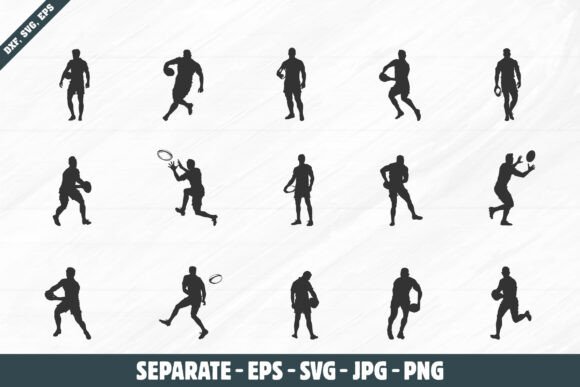
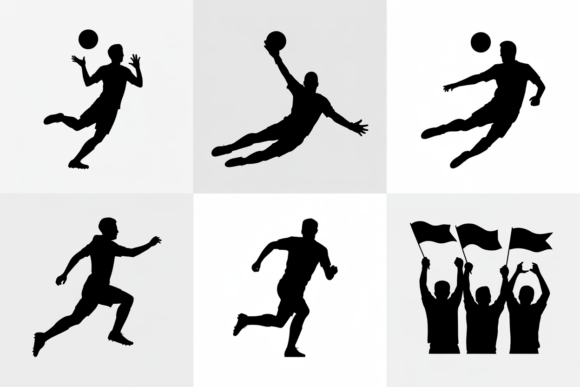
As someone who embroiders for clients and my own shop, I always approach a new digital design with a practical eye. The Soccer Player Silhouettes and Fans SVG is a graphic that, on first glance, has a specific but powerful charm. It’s not a hyper-detailed portrait; it’s a clean, iconic layout of figures celebrating a goal. This creates an immediate mood of energy and unity. The visual personality is straightforward and strong, perfect for creating items that speak directly to fans, players, and families.
Where This Design Finds Its True Home
This isn’t a design for delicate lace. It’s for bold, everyday celebration. My mind goes straight to robust, casual products. I picture it stitched onto a heavyweight sweatshirt for a youth team, the solid fill stitch of the silhouettes standing up perfectly to wash and wear. A tote bag for a soccer mom, with the figures in a contrasting thread color against the canvas, makes a fantastic handmade product. It would also be excellent as a large, central motif on a nursery blanket for a sports-loving family or a crisp, clean patch sewn onto a backpack.
The layout, with its grouped figures, lends itself to being a statement piece. It naturally belongs to projects where you want the graphic to be the undisputed focus. I’d avoid tiny applications, like on a baby bib’s small pocket, because you’d lose the communal feeling of the group. This is a design for a medium to large hoop size, where the silhouettes can have enough space to feel impactful.
Thinking Through the Stitch
In real-life embroidery, the clarity of this design is its biggest asset. Since it’s a silhouette-based graphic, stitch density will be key. You’ll want a solid, clean fill stitch for the main figures to keep them looking sharp and professional. On dark fabrics like navy sweatshirts or black caps, using a bright white or a vibrant team-color thread will make it pop. On light backgrounds, a dark charcoal or black thread would give it that classic, crisp look.
Areas to watch? The smaller details, like the spaces between the raised arms or the soccer ball itself. A good stabilizer is non-negotiable, especially on stretchy fabric like t-shirts or the curved surface of a cap, to prevent any puckering that might blur those clean edges. For textured fabrics like a tea towel or an apron, a slightly higher density fill stitch can help the design maintain its visual punch against the weave.
How It Translates to Customer Appeal
From a business perspective, this graphic has high recognition value. For an Etsy seller or small shop owner making personalized gifts, it taps into a clear theme without needing explanation. A customer looking for a gift for a coach or a tournament participant will immediately see the product’s purpose. That instant understanding builds trust—the product looks intentional and well-made.
When stitched well, the design elevates a simple item. A plain pillow cover becomes a commemorative gift. A basic kitchen towel becomes a fun boutique product for a sports household. The handmade presentation gains a layer of thoughtful design, which increases the perceived value and giftability. For commercial embroidery projects, like a batch of caps for a local league, the clean artwork ensures consistency across every piece, which is crucial for professional branding.
A Real Scenario: The Custom Team Tote
Let’s walk through a typical project. I’m preparing a custom embroidered tote bag for a soccer team’s end-of-season celebration. I load the Soccer Player Silhouettes and Fans SVG, considering the fabric. A natural canvas tote needs a robust stabilizer. I’ll likely choose a royal blue thread to match their colors. The first thing I’d do, and always advise, is to stitch it out on a scrap piece of the same canvas first. This lets me check that the fill stitch is dense enough to look solid but not so dense that it stiffens the fabric. I’ll look closely at the small gaps—are they stitching cleanly, or do I need to adjust my machine’s settings slightly?
Seeing it stitched in real thread confirms the mood. The celebratory pose of the figures translates perfectly, creating a product that feels energetic and unified. It’s exactly what the team manager wanted—a recognizable, high-quality item that commemorates the season’s spirit. This practical test run is what separates a good digital embroidery file from a great finished product.
Notes for the Practical Maker
Your process matters. Before committing to a final product, always test on scrap fabric. Check thread color contrast against your final background fabric—sometimes a mockup on screen looks different than real thread on real material. Review the stitch density in the actual embroidery file; you want smooth fills without thread breaks. Confirm your hoop size can accommodate the design comfortably; crowding it into a too-small hoop can compress the details.
Inspecting the small details in a test stitch is essential. Also, run a simple black and white digital mockup. Place the design on both a light and dark background image of your product, like a sweatshirt or cap. This helps visualize the final appeal before you stitch. Remember, stabilizer choice is as important as thread choice for maintaining clarity.
A final, crucial note for craft business owners and digital product sellers: The product description mentions SVG and EPS formats. This is common for cut files and graphics. For machine embroidery, you will need to convert or use this graphic as a basis for creating an embroidery file. Furthermore, always confirm the licensing terms before selling finished items or commercial embroidery projects based on any digital design. Understand whether your use for handmade products or client work is permitted. It’s the foundational step for operating with confidence.
The Lasting Impression
The Soccer Player Silhouettes and Fans SVG, when approached with this practical mindset, becomes a versatile asset. It’s a graphic that encourages bold application on products meant to be used, seen, and celebrated. It won’t suit every project—it’s not a tiny, delicate accent. But for the right project, it delivers a clear, strong visual story that, after stitching, feels both heartfelt and professional. That’s the kind of design that not only works well in the hoop but also resonates well with the person who ultimately receives the finished product.